









The world of hair care is fluid and ever-evolving, with innovations and breakthroughs shaping the way both genders address their hair health. Historically, we've seen a strong division between the products and treatments aimed at women and those tailored for men. However, as we understand more about hair biology and the shared challenges both sexes face, there's a compelling case for integrating female hair care advancements into the repertoire of men's hair loss solutions.
Innovations in Female Hair Care

Recent advancements in female hair care have been as revolutionary as they have been diverse. From custom-formulated shampoos to the rise of bioactive hair serums, products and treatments for women have seen the integration of cutting-edge technology and ingredient science. Female hair care has been buoyed by unique challenges such as hormonal influences, longer hair lengths, and societal pressure for hair aesthetics. This has led to a rigorous pursuit of solutions that are effective, gentle, and multi-faceted.
Overview of Recent Advances in Female Hair Care
In the past decade, we've witnessed a surge in products designed to tackle specific concerns, beyond mere cleansing and conditioning. Nourishing shampoos with probiotics, strengthening masks infused with keratin, and volumizing sprays enriched with plant-based stem cells are just the tip of the iceberg. These advances aren't just about marketing buzzwords but real scientific formulations that address the health and appearance of hair from the follicle to the tip.
Unique Challenges and Solutions for Women's Hair Health
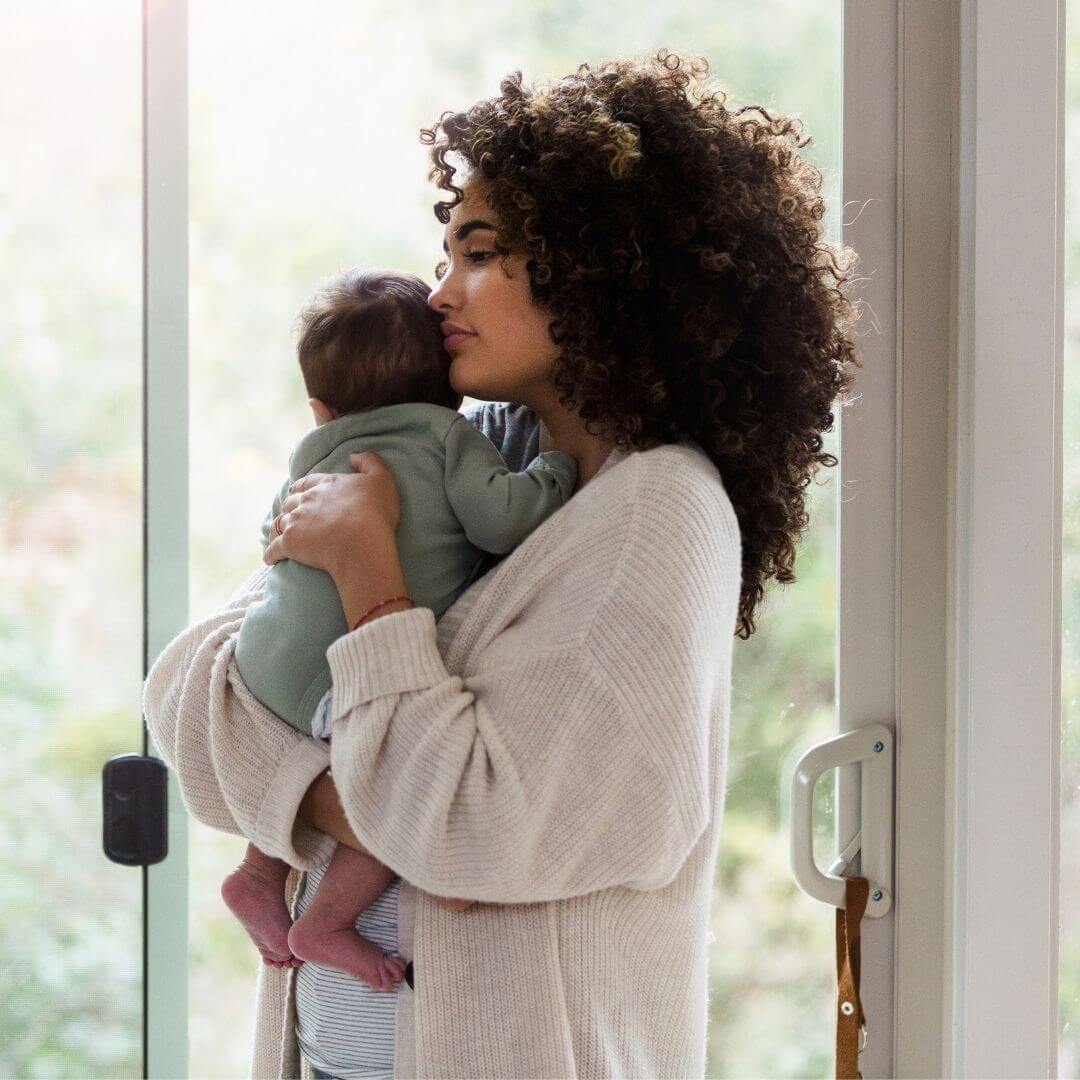
The diversity of hairstyles, hair treatments, and styling methods among women has given rise to a plethora of hair health challenges. Some women experience thinning hair due to genetics or postpartum hormonal shifts, while others grapple with damage from heat styling or chemical treatments. As a result, female hair care has become highly specialized, offering tailored solutions for a spectrum of needs.
Key Ingredients and Technologies Driving Innovation in Female Hair Care
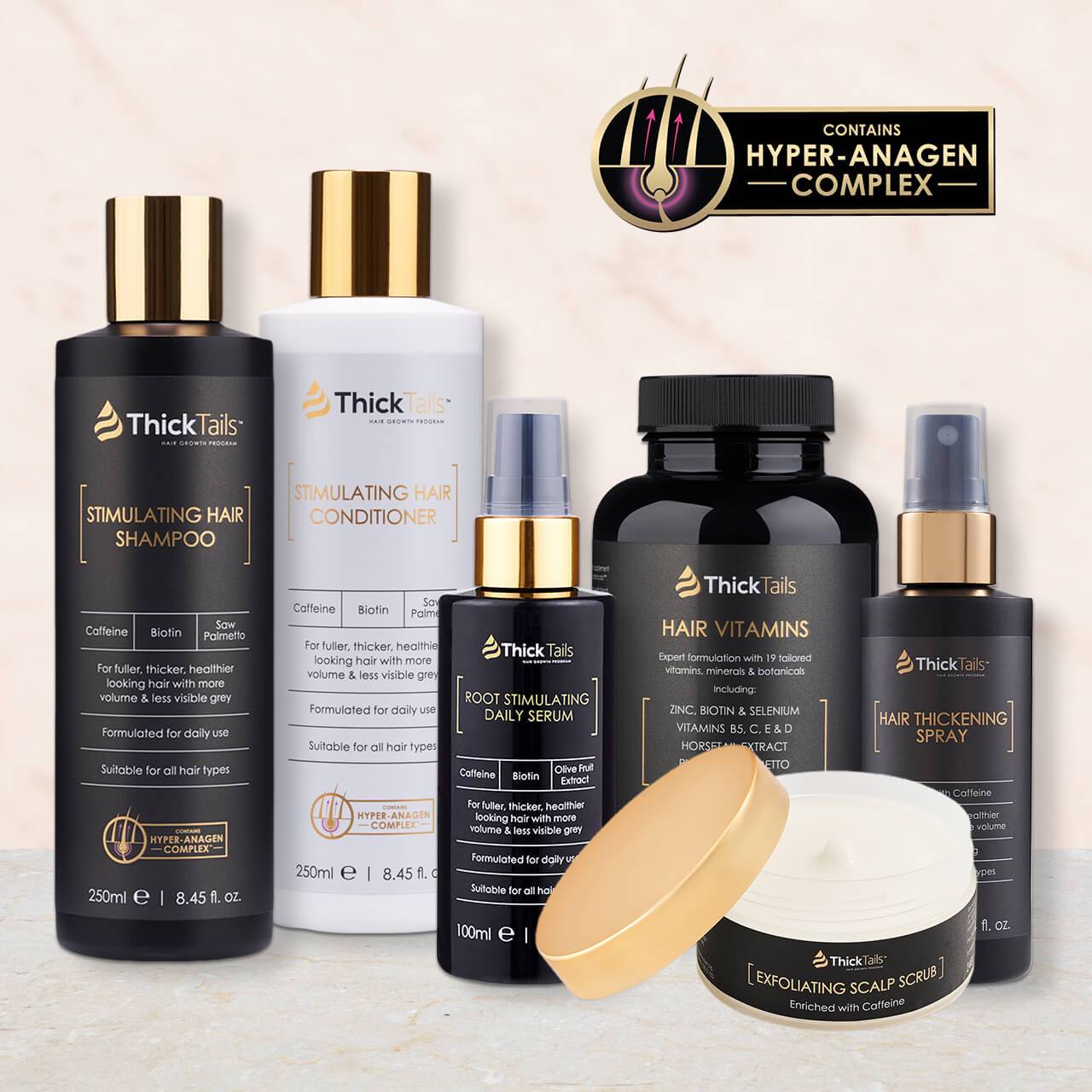
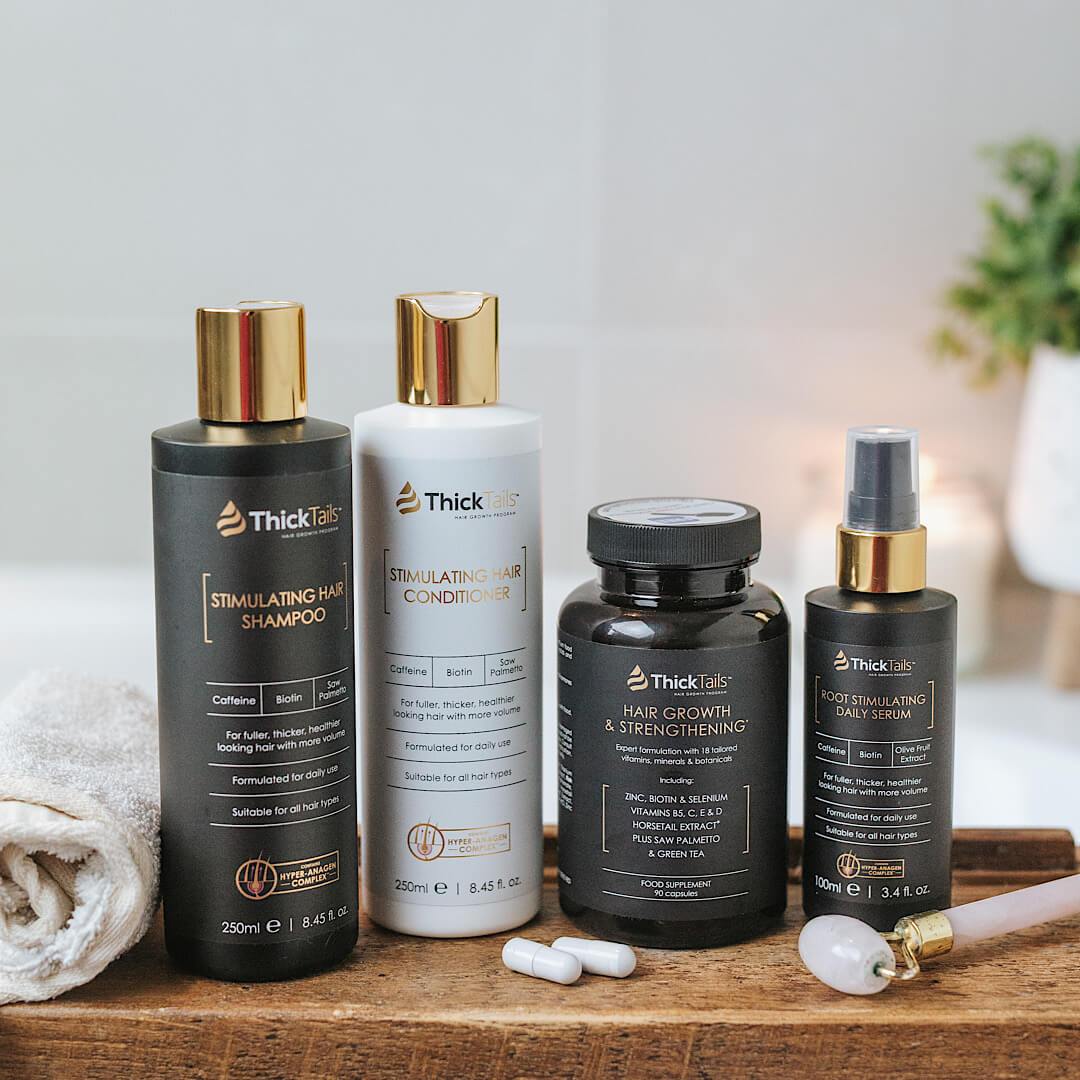
The cornerstone of many female hair care products is innovation in ingredients. Powerful actives like caffeine to stimulate growth, hyaluronic acid for moisture retention, and antioxidants to combat environmental damage are becoming ubiquitous. Moreover, the inclusion of technologies such as micellar cleansing for gentler shampoos and encapsulation for targeted delivery of actives has set a new bar for performance and user experience.
Adapting Female Hair Care Innovations for Men's Hair Loss
Understanding the differences between male and female hair biology is crucial for determining how female hair care innovations can be harnessed for men's benefit. Notably, men's hair is generally shorter, thicker, and more prone to androgenic alopecia (male-pattern baldness), which has distinct patterns and treatment considerations compared to female hair loss.
Understanding the Differences Between Men's and Women's Hair
Men's hair tends to be more concentrated and easily affected by the hormonal shifts that occur with age. This makes male hair loss a front and center issue that, while sharing some causes with female hair loss, often necessitates a more targeted approach. Additionally, the presence of facial hair and the propensity for scalp health to affect beard growth adds layers of complexity to men's hair care.
How Female Hair Care Innovations Can Benefit Men's Hair Health
The adaptability of female hair care products can provide a new arsenal for men seeking to maintain or improve their hair health. For instance, moisture-boosting technologies designed to work with longer locks can also combat the dryness and brittleness that often plague men's short hair. Advanced formulas targeting scalp health, which is often overlooked in men's products, can be particularly beneficial in the fight against male-pattern baldness.
Examples of Female Hair Care Products and Techniques Adapted for Men
Transitioning female hair care innovations to the male market can be as straightforward as adjusting product textures and fragrances. More specialized applications might involve tweaking formulations to address the unique pH of men's scalps and fine-tuning actives to suit the higher sebum production and rougher cuticle structure of male hair. Some brands have successfully incorporated female-centric ingredients like biotin, argan oil, and castor oil into male-targeted formulations with great success.
The Future of Gender-Inclusive Hair Care Solutions

As we march towards a more inclusive future, the question isn't whether we should integrate female hair care innovations into men's hair loss solutions, but how. The push for gender-neutral hair care that recognizes the fluidity of individual hair biology is gaining momentum, and it's set to revolutionize not just product offerings but the very ethos of hair care.
Trends Towards Gender-Neutral Hair Care Products
The market is witnessing the emergence of products that defy traditional gender labels. Shampoos, conditioners, and treatments that tout themselves as universally beneficial are on the rise. Formulators are beginning to question the necessity of gendered hair care, instead focusing on developing products that are effective for the majority, if not all, consumers.
Impact of Gender-Inclusive Hair Care on the Industry
The shift towards gender inclusivity in hair care has the potential to streamline production and reduce the proliferation of products that essentially do the same job, but with gendered marketing angles. This could create a more transparent marketplace, where consumers select products based on performance and suitability rather than societal constructs.
Potential Breakthroughs in Gender-Neutral Hair Care Technologies
The future is ripe for potential breakthroughs in hair care technologies that bridge the gender divide. Research into new actives that specifically target the unique challenges of balding and thinning hair in men and women, while acknowledging the shared ground, is a tantalizing prospect. It's not far-fetched to envision a time when the concept of 'men's' and 'women's' hair care will be rendered obsolete, replaced by a universal approach that acknowledges and addresses individual needs.
As we conclude, the integration of female hair care innovations into the realm of men's hair loss solutions is both a progressive and pragmatic step. By recognizing the shared goal of promoting healthy, beautiful hair, we take a stride towards a more harmonious, inclusive approach to personal care. The challenge for the industry lies in educating consumers and dispelling gender norms that have long dictated the standards for personal grooming. However, as with any significant shift, the rewards are measured not only in economic terms but in the positive impact on individuals' well-being and self-image. The vision of a future where product aisles are not divided by gender but united in their intent to nurture all hair types is distinctly within reach.


